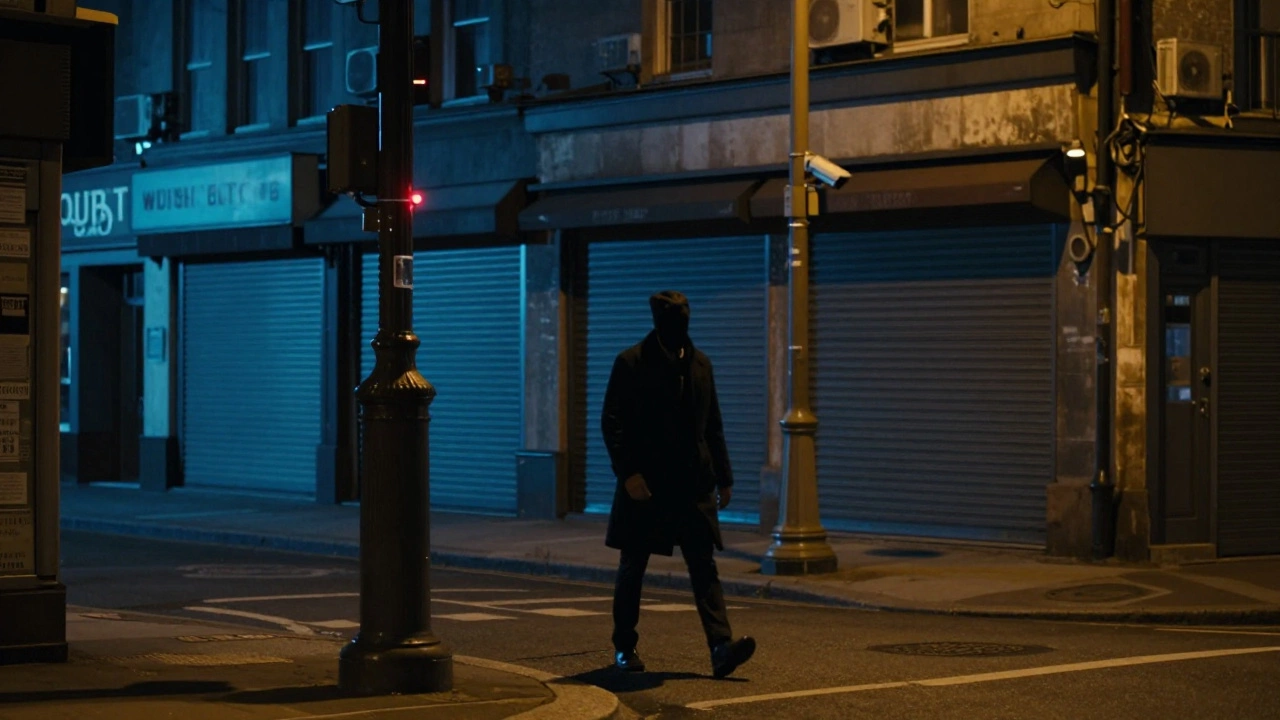
Every week, state legislatures across the U.S. introduce bills that claim to protect public morality-but what they often do is push sex workers further into danger. These aren’t abstract policies. They’re laws that determine whether someone can safely rent a room, use a phone to screen clients, or walk home after midnight without being arrested. And they’re being passed with little public debate, even though the people most affected rarely get a seat at the table. If you’ve ever wondered why sex workers are disappearing from public view, it’s not because demand dropped. It’s because the laws made it too risky to stay visible.
Some people turn to online platforms for work, like escorts in paris, not because they want to, but because the alternatives are worse. When local ordinances ban street-based work and shut down indoor venues under the guise of "anti-trafficking," what’s left is isolation. No coworkers. No security checks. No way to verify a client before they knock on the door. That’s not safety. That’s vulnerability dressed up as legislation.
What’s Actually in These Bills?
Most bills targeting sex work don’t use those words. Instead, they’re labeled as "anti-prostitution," "human trafficking prevention," or "public decency" measures. But the language is misleading. Take the 2024 SAFE Act in Texas: it expanded the definition of "promotion of prostitution" to include anyone who helps a person advertise their services-even if that person is the one doing the work. That means a friend helping post a listing on a website could be charged with a felony. So could a landlord who rents to someone known to be a sex worker.
Similar bills have popped up in Ohio, Florida, and Missouri. In Missouri, a 2025 bill proposed mandatory GPS tracking for anyone convicted of solicitation-even for first-time, non-violent offenses. No such requirement exists for other misdemeanor offenses. Why single out sex work? Because the goal isn’t to stop exploitation. It’s to erase visibility.
The Real Impact on Safety
When sex workers are criminalized, they stop reporting violence. A 2023 study by the Urban Justice Center found that 78% of sex workers who experienced assault did not call the police because they feared arrest themselves. In places where decriminalization has been tested-like parts of New Zealand and Portugal-reports of violence dropped by nearly 40% within two years. Why? Because workers could operate without fear of being punished for doing their job.
Here’s the truth: criminalization doesn’t reduce demand. It just moves it underground. And when it’s underground, control shifts to predators, pimps, and scammers. The people who suffer most are those with few options-immigrants, trans women, people with no stable housing, survivors of abuse. These aren’t faceless statistics. They’re your neighbors, your cousins, your coworkers.

How These Laws Connect to Broader Control
There’s a pattern here. Laws targeting sex work often come with new surveillance tools-facial recognition at massage parlors, mandatory registration with state agencies, digital monitoring of online activity. In some states, police now use AI to scan social media for posts that mention "massage sex paris" or "sex in paris," treating those phrases as red flags. That’s not about public safety. That’s about control. It’s about deciding who gets to be seen, who gets to earn a living, and who gets labeled a criminal for simply existing.
These tools don’t just target sex workers. They normalize mass surveillance. Once the system is built to track one group, it’s used on others. The same algorithms that flag a post about "sex in paris" are now being used to monitor political activists, immigrants, and even people attending protests. The infrastructure is the same. The justification changes. The harm doesn’t.
What You Can Do Right Now
You don’t need to be a policy expert to make a difference. You just need to call your representative. Here’s what to say:
- Ask if they’ve reviewed the latest bill targeting sex work in your state. Most haven’t.
- Ask if they’ve spoken to any sex workers before voting on these bills. Almost none have.
- Ask them to support decriminalization models like New Zealand’s, which treat sex work as labor, not crime.
- Ask them to oppose mandatory registration, GPS tracking, and digital surveillance tied to sex work.
Don’t wait for someone else to speak up. Your call matters. A 2024 report from the National Coalition of Anti-Violence Programs showed that when constituents contacted their lawmakers about sex work bills, those bills were 3x more likely to be amended or withdrawn.
It’s Not About Morality. It’s About Power.
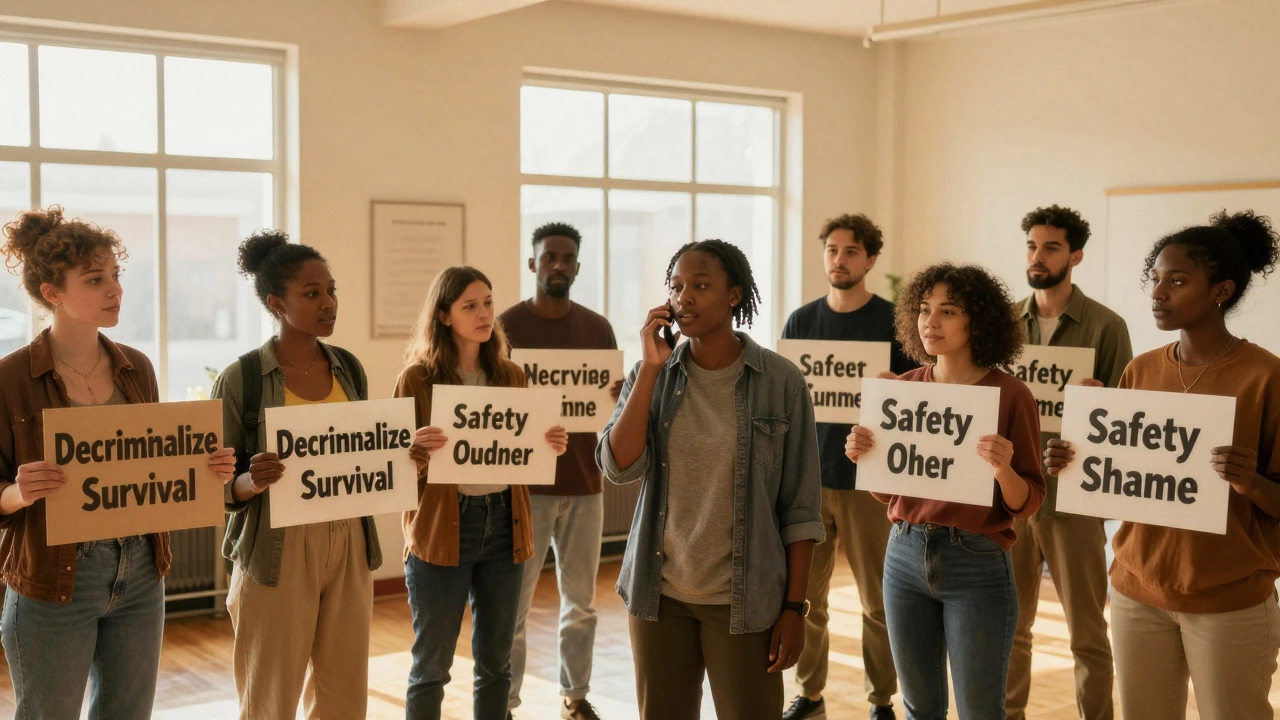
People who oppose sex work often frame it as a moral issue. But morality doesn’t change the facts. In 2025, over 12 million adults in the U.S. have sold sex at some point in their lives. Most did it to survive-paying rent, feeding children, escaping abuse. Criminalizing survival isn’t moral. It’s cruel.
The real moral question is this: Do you believe people deserve safety, dignity, and autonomy-even if their work doesn’t fit your idea of respectability? If the answer is yes, then you have a responsibility to act. Silence isn’t neutrality. It’s complicity.
What’s Next?
Legislation moves fast. In early 2025, at least seven states introduced bills that would make it illegal to assist sex workers in accessing healthcare, housing, or legal aid. These aren’t fringe ideas. They’re backed by well-funded lobbying groups with ties to religious and anti-prostitution organizations.
The next step is clear: organize. Join local coalitions. Attend city council meetings. Share stories from people who’ve been impacted-not as victims, but as people with agency. Demand that lawmakers stop using fear as a tool and start using data.
Because the truth is simple: when you criminalize survival, you don’t end exploitation. You just make it harder to find.